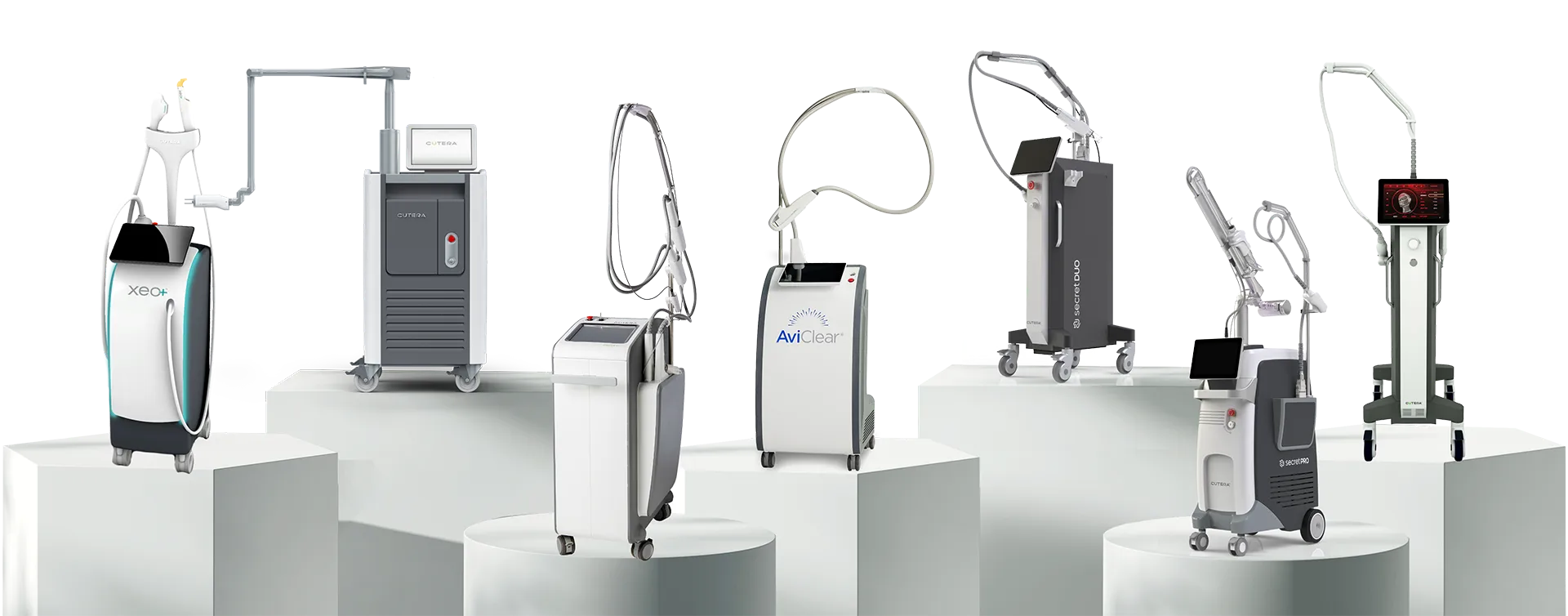
One portfolio. Four of the concerns your patients ask for most. Choose an indication to see the devices, the science and the results.
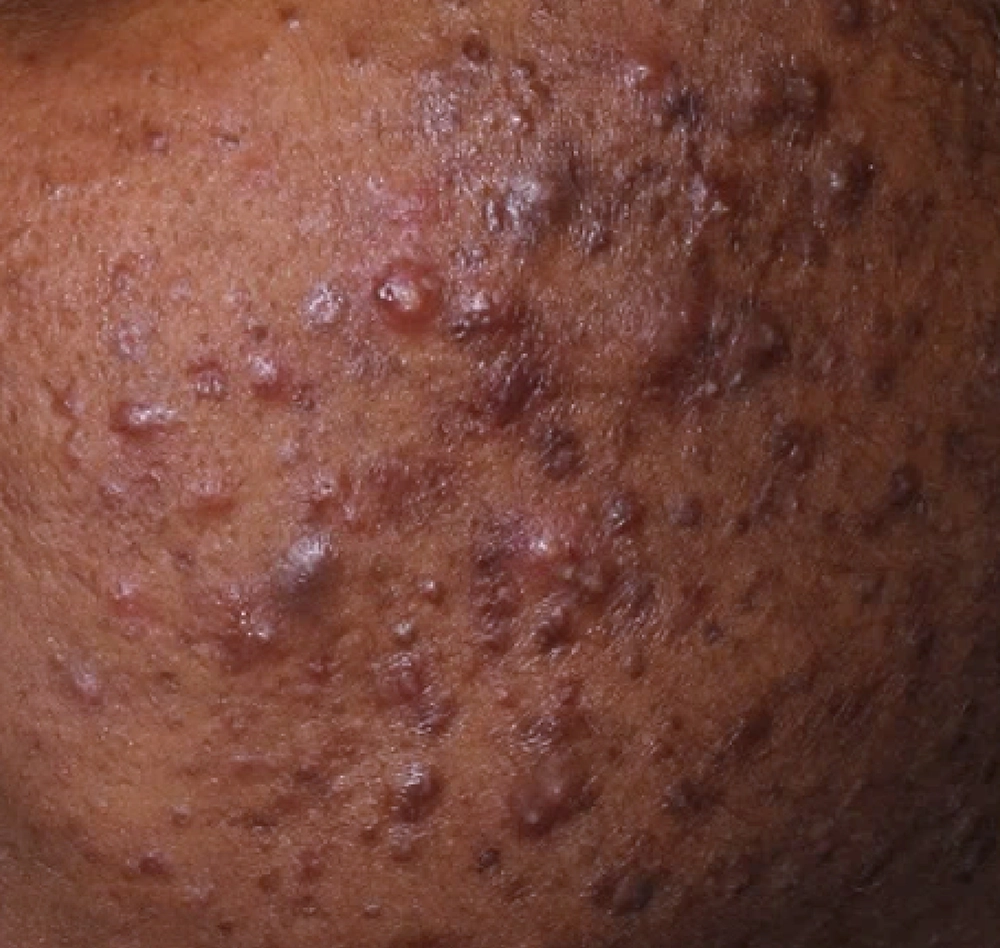
Target acne at the source for long-lasting clearance.
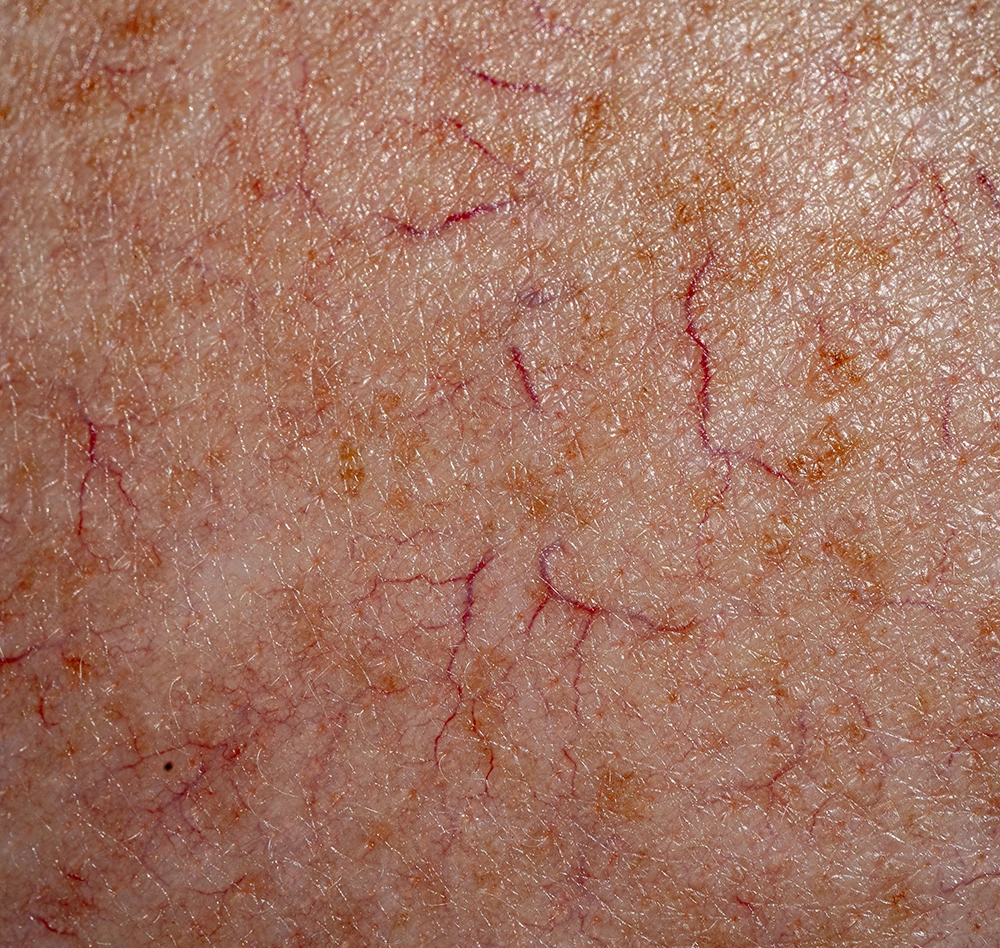
Reduce redness and vascular concerns across all skin types.
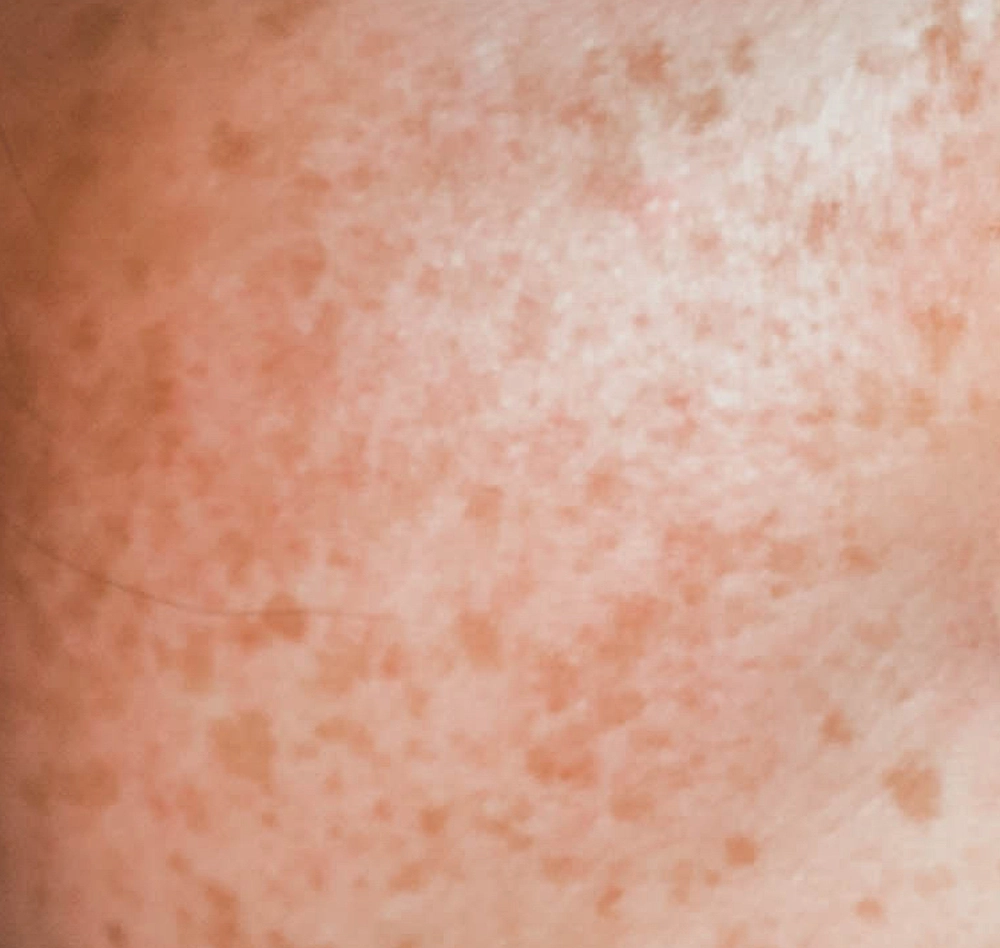
Correct sun damage and uneven tone on face and body.
Improve texture, tone and skin quality with collagen stimulation.
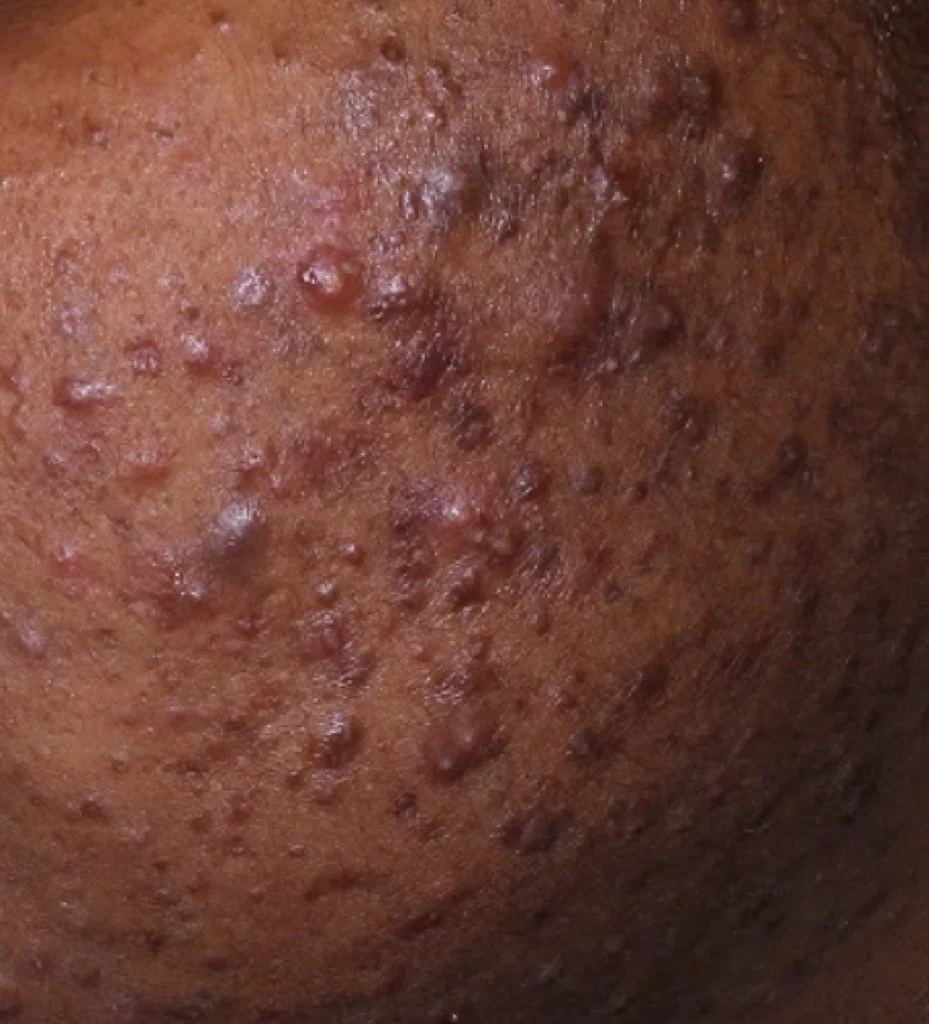
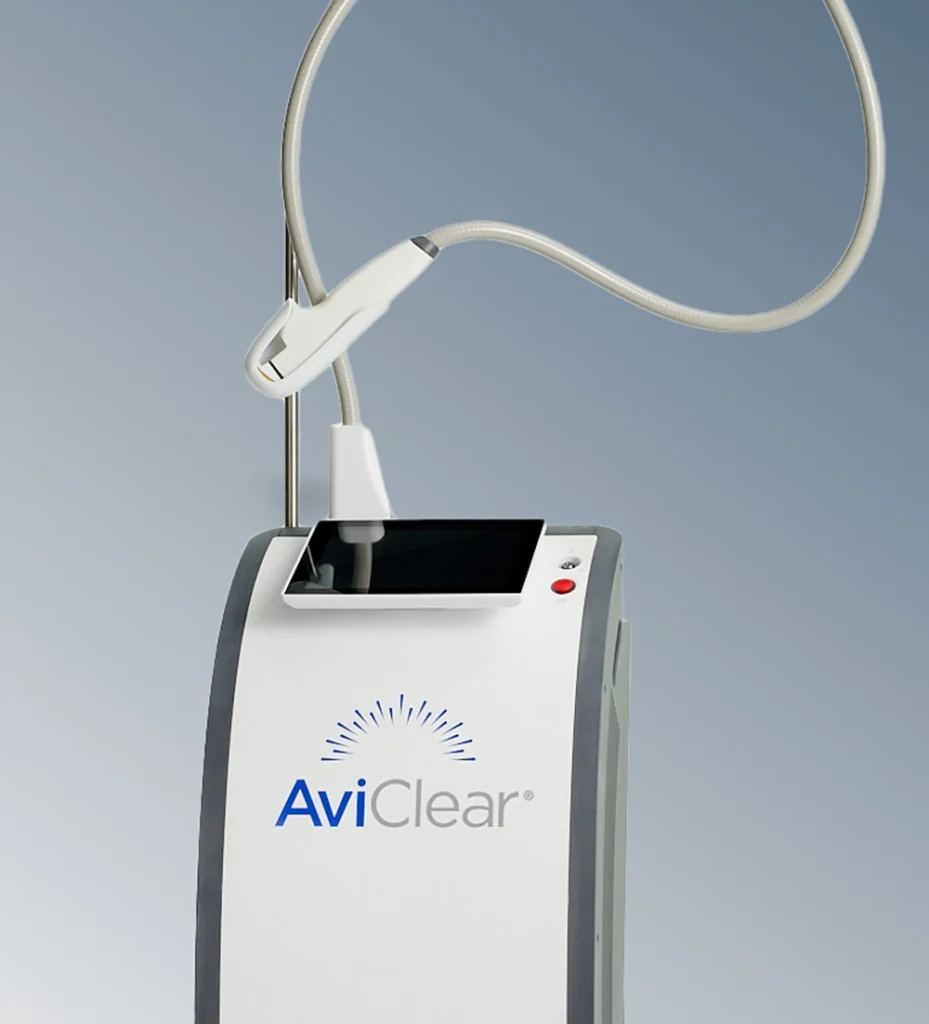

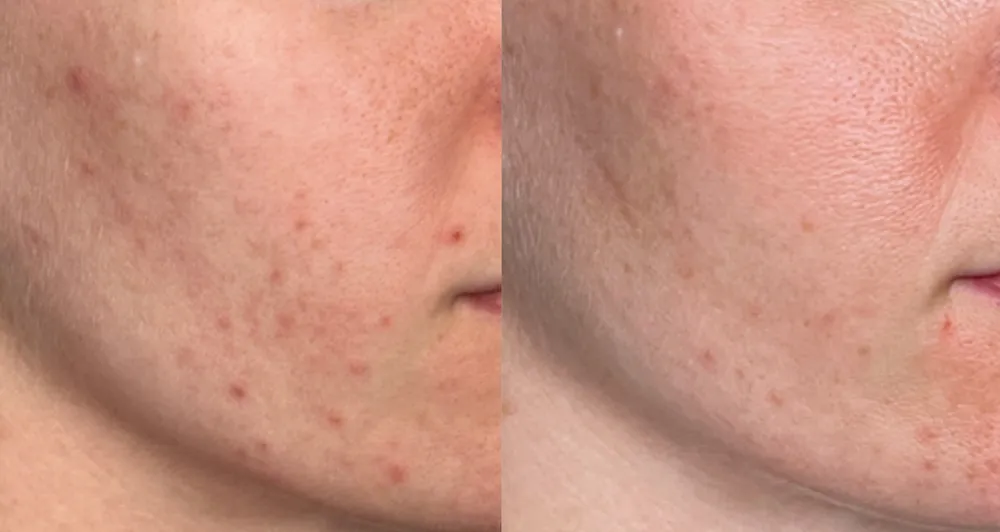
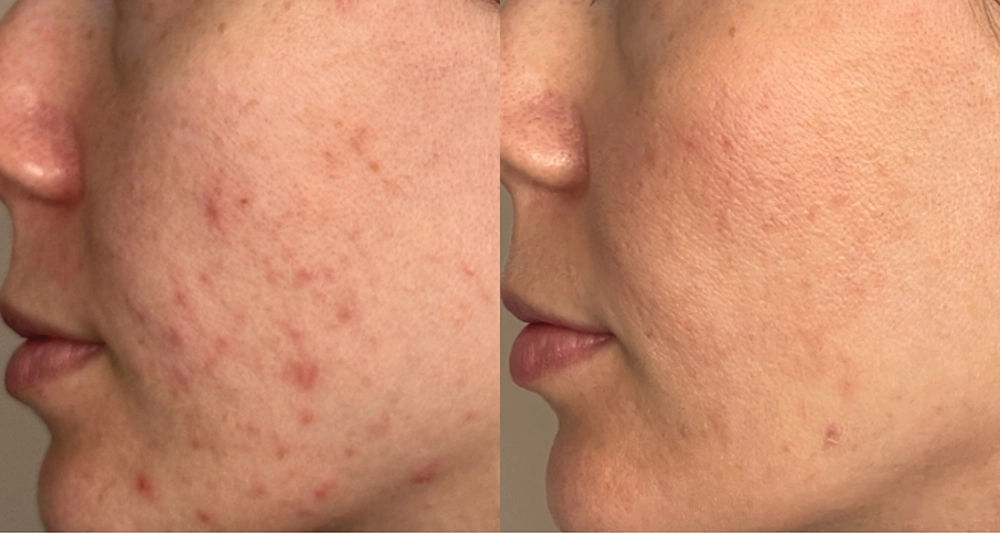
Acne is one of the most persistent conditions your patients face, and one where a different approach sets your clinic apart. AviClear uses a 1726 nm wavelength to selectively target and suppress the sebaceous gland, treating acne at its source without compromising the epidermis. Delivered in a series of quick 30-minute sessions, with AviCool contact cooling for a tolerable patient experience.





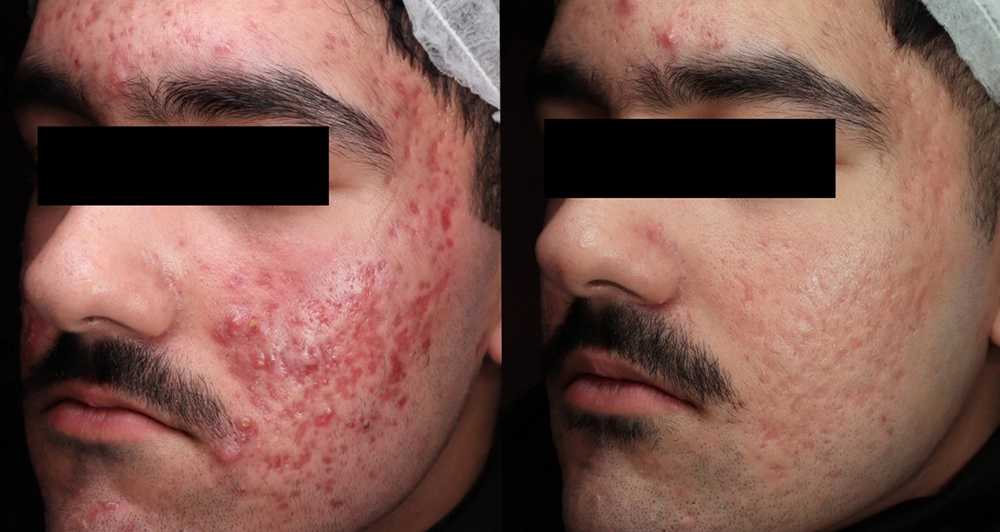
12 months after final AviClear TX — Photo courtesy of A. Mahto, MD. Patient results may vary.
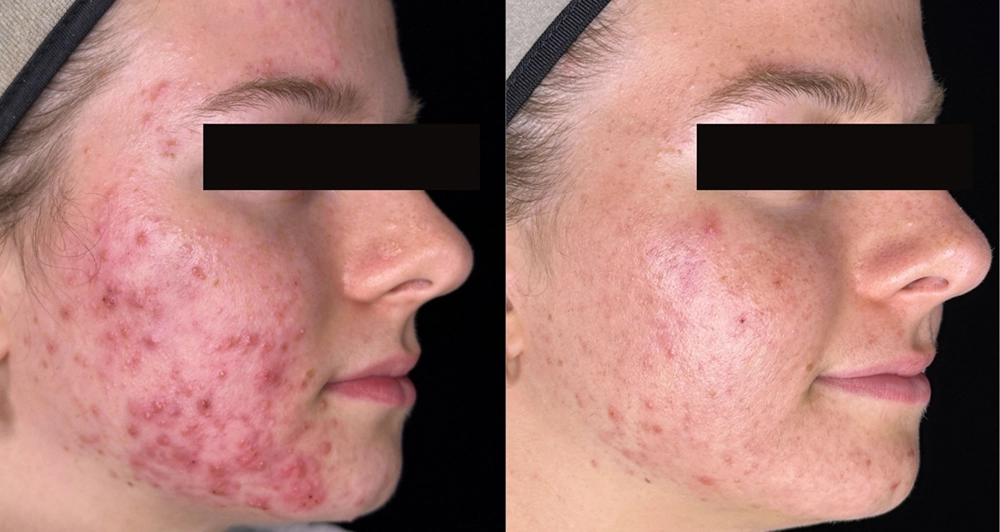
After final AviClear TX — Photo courtesy of J. Pomarico, AdvancedMD Aesthetics Atlanta. Patient results may vary.
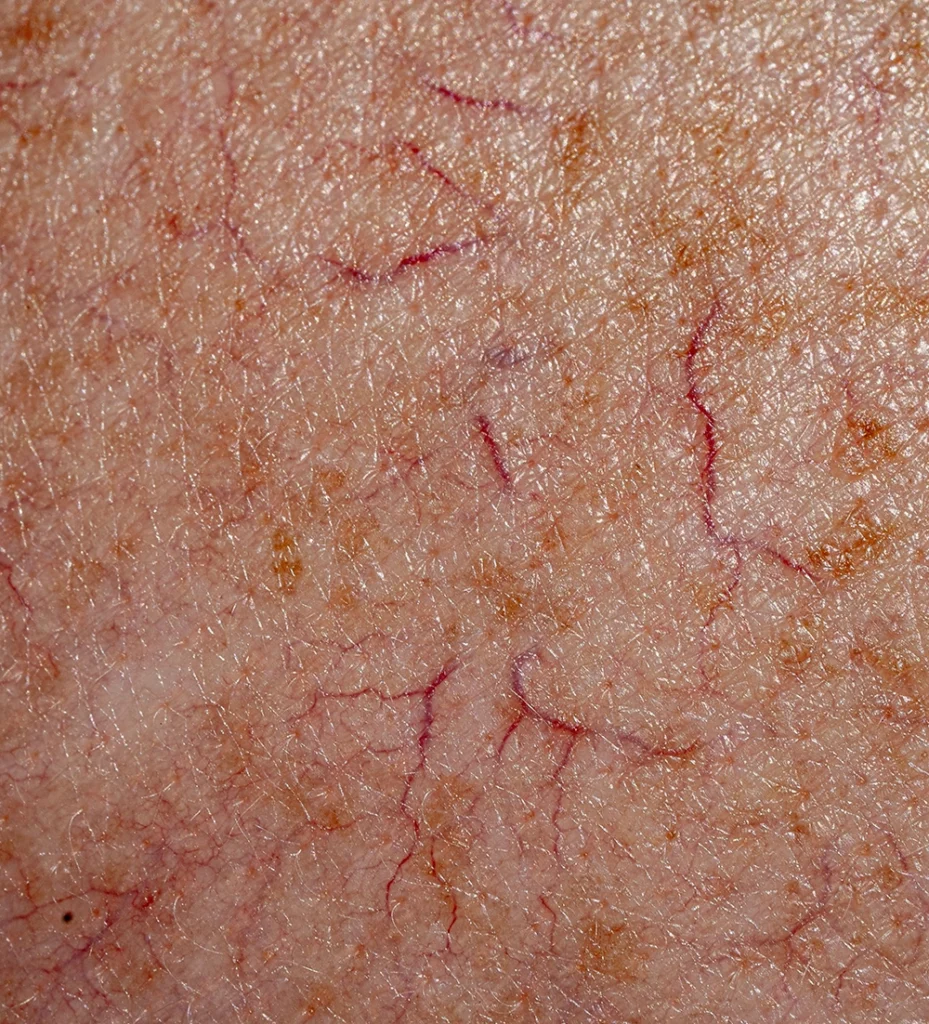
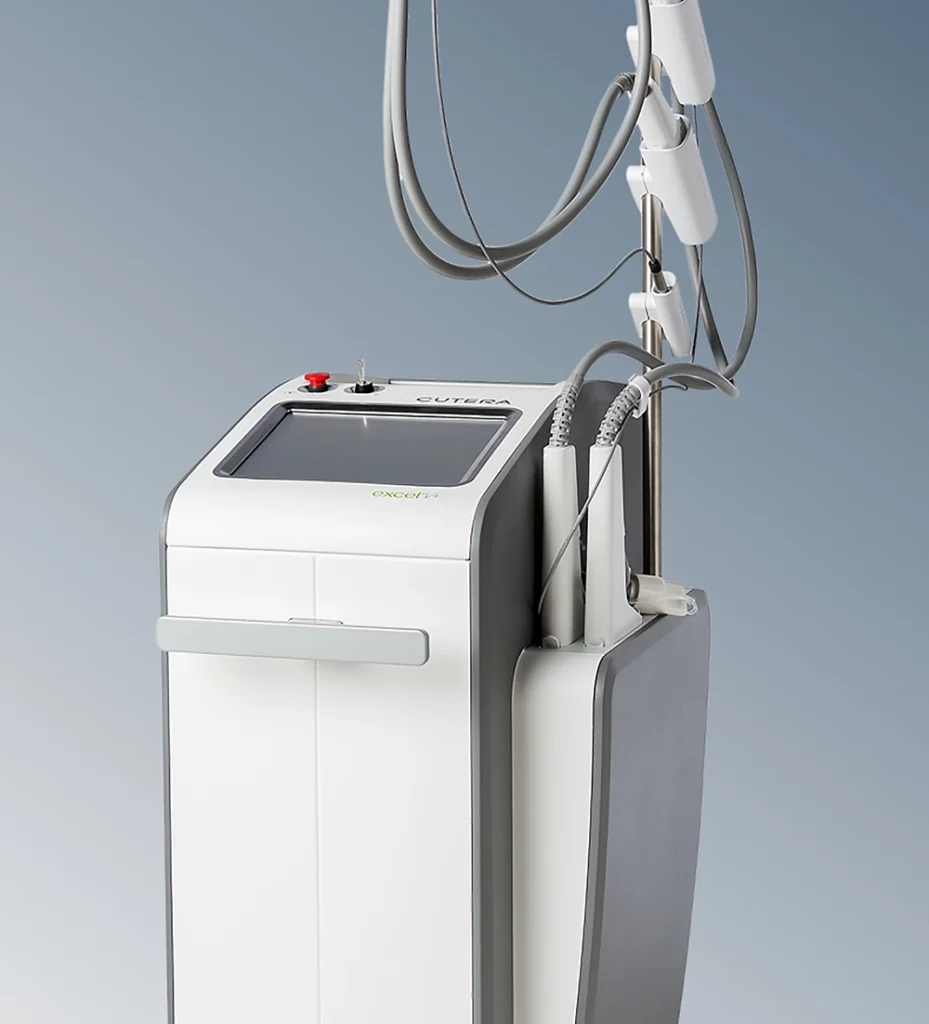
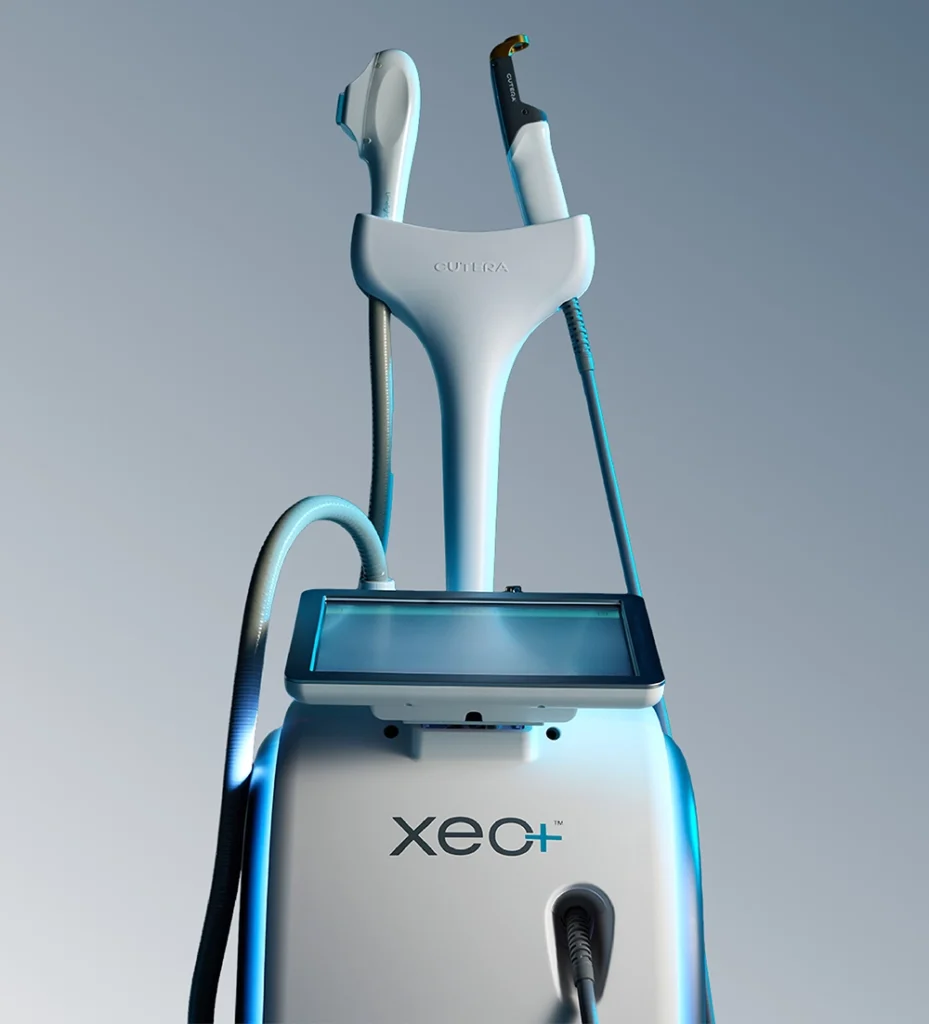




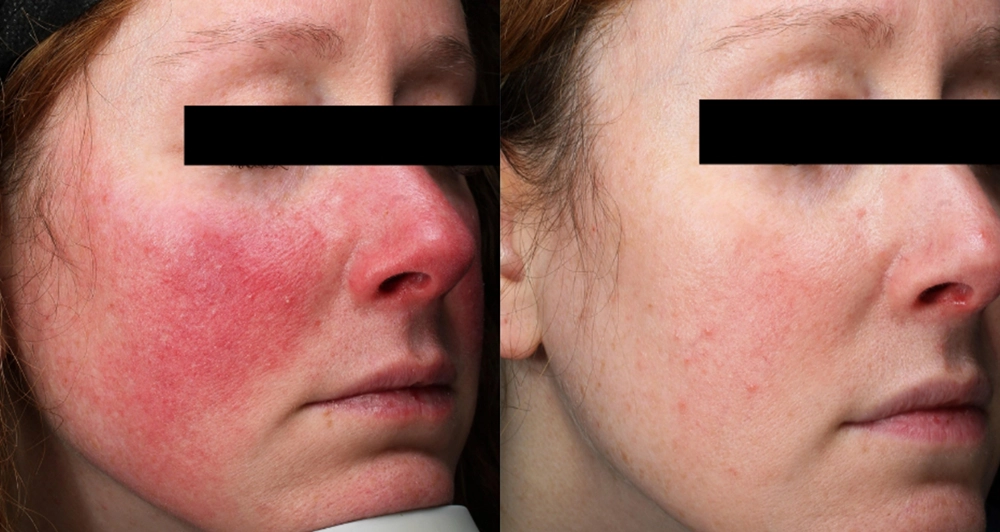
1 month after 2 excel V+ TXs — Photo courtesy of Compass Dermatology. Patient results may vary.
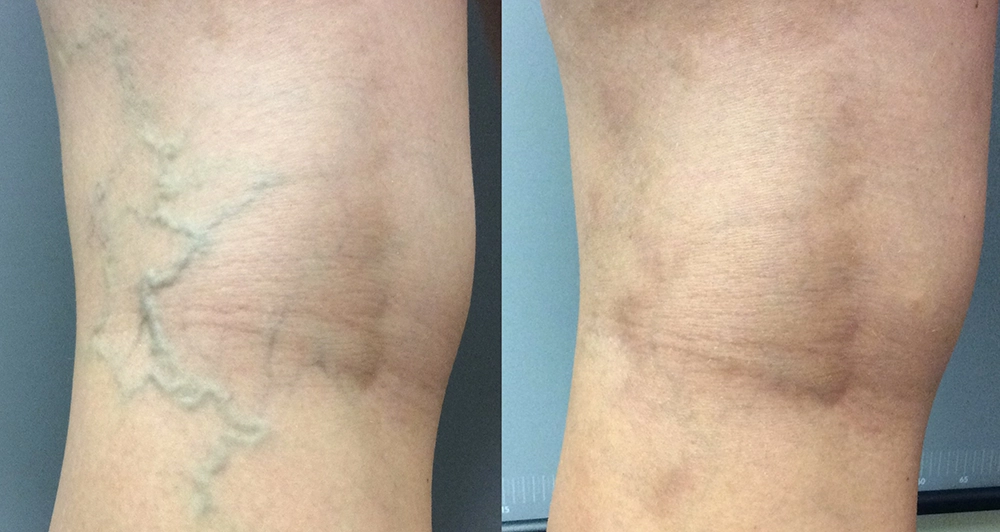
After 2 excel V+ TXs — Photo courtesy of M. Aggarwal, MD. Patient results may vary.
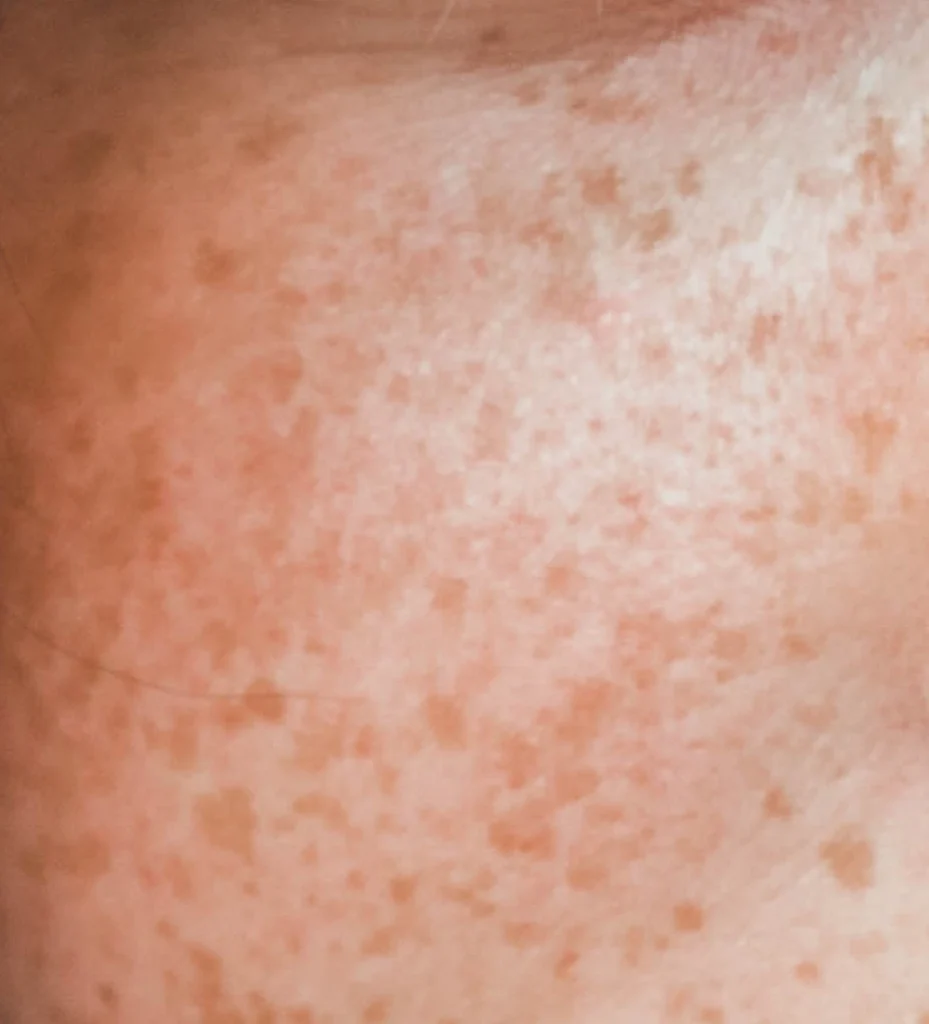
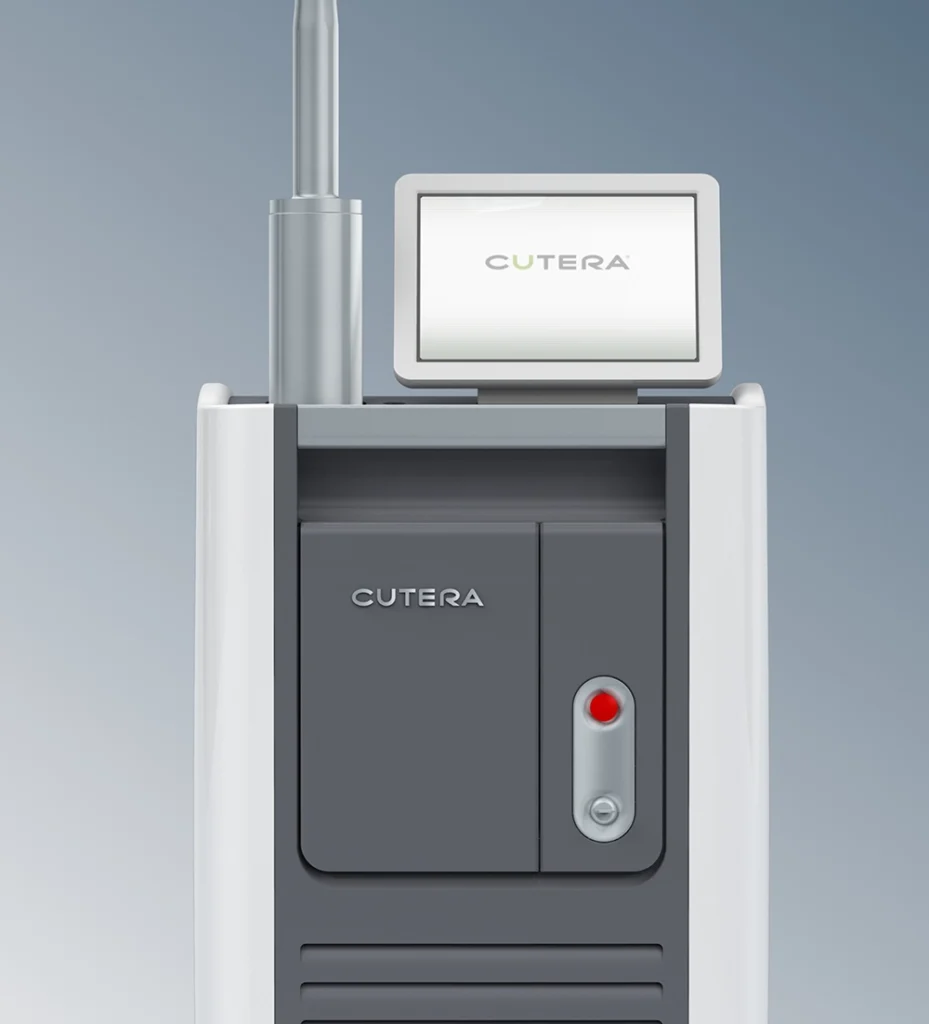

Sun damage, age spots, and uneven skin tone are common concerns. enlighten combines three wavelengths with dual pulse durations to help reduce unwanted pigment and revitalize the skin through PICO genesis, a gentle treatment suitable for all skin types.



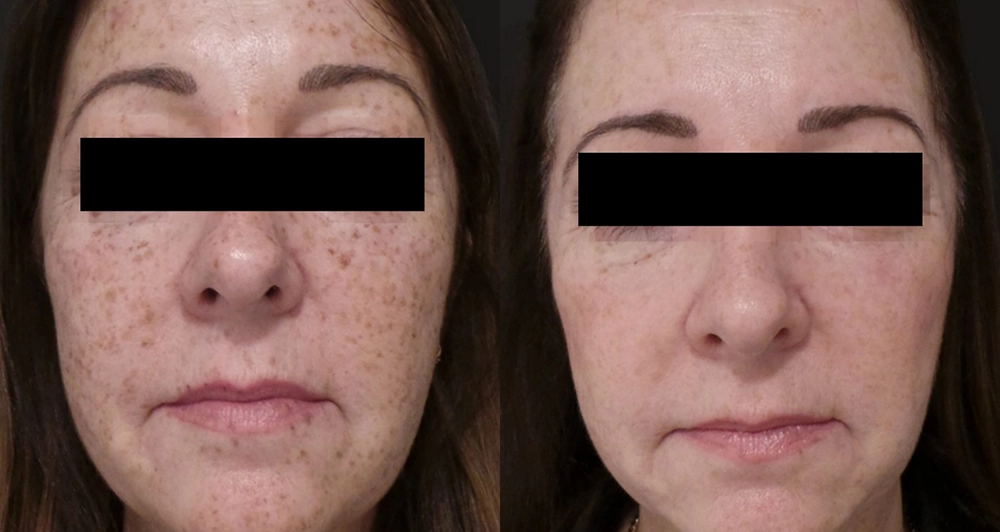
After 2 enlighten TXs — Photo courtesy of S. Mohan, MD & S. Karim, MD. Patient results may vary.
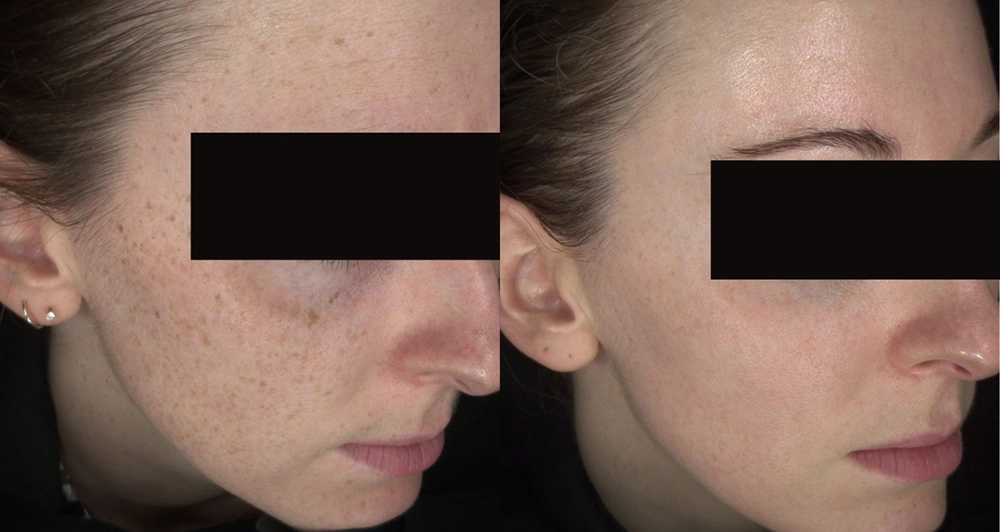
After 3 enlighten TXs — Photo courtesy of Skin Lab by WPRS. Patient results may vary.
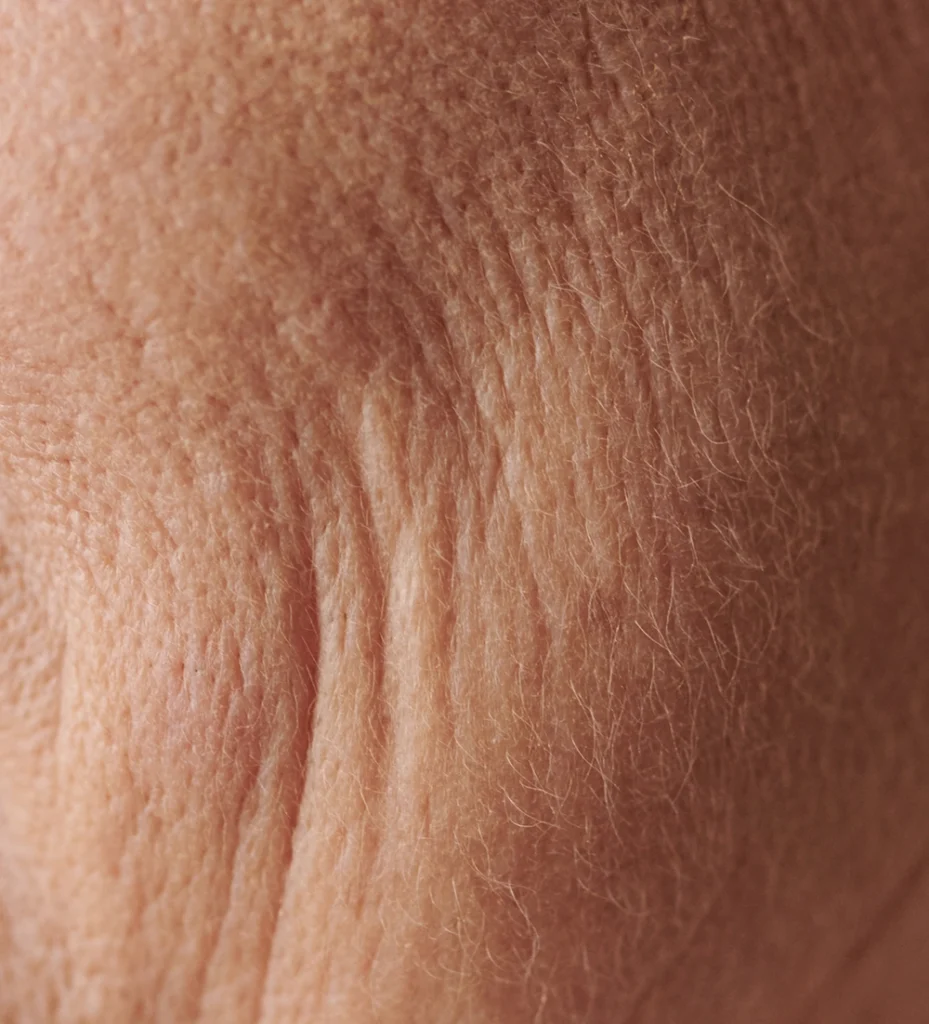
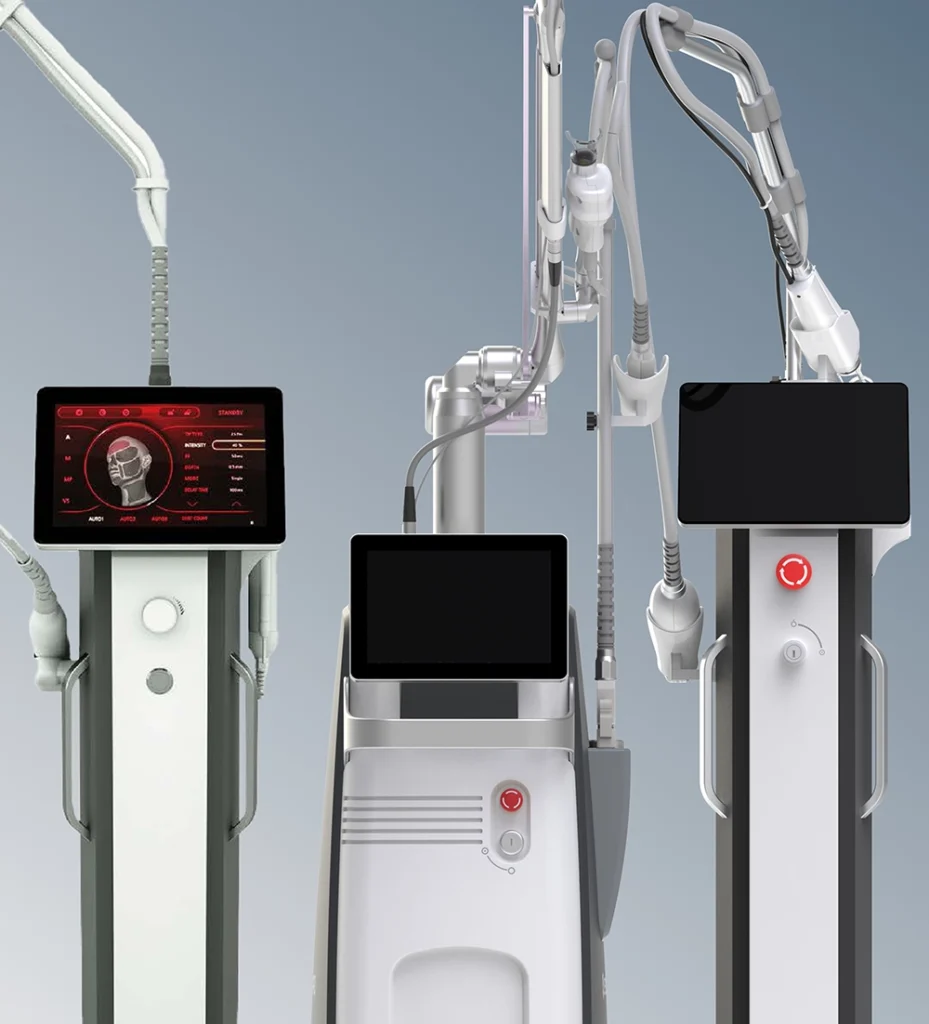
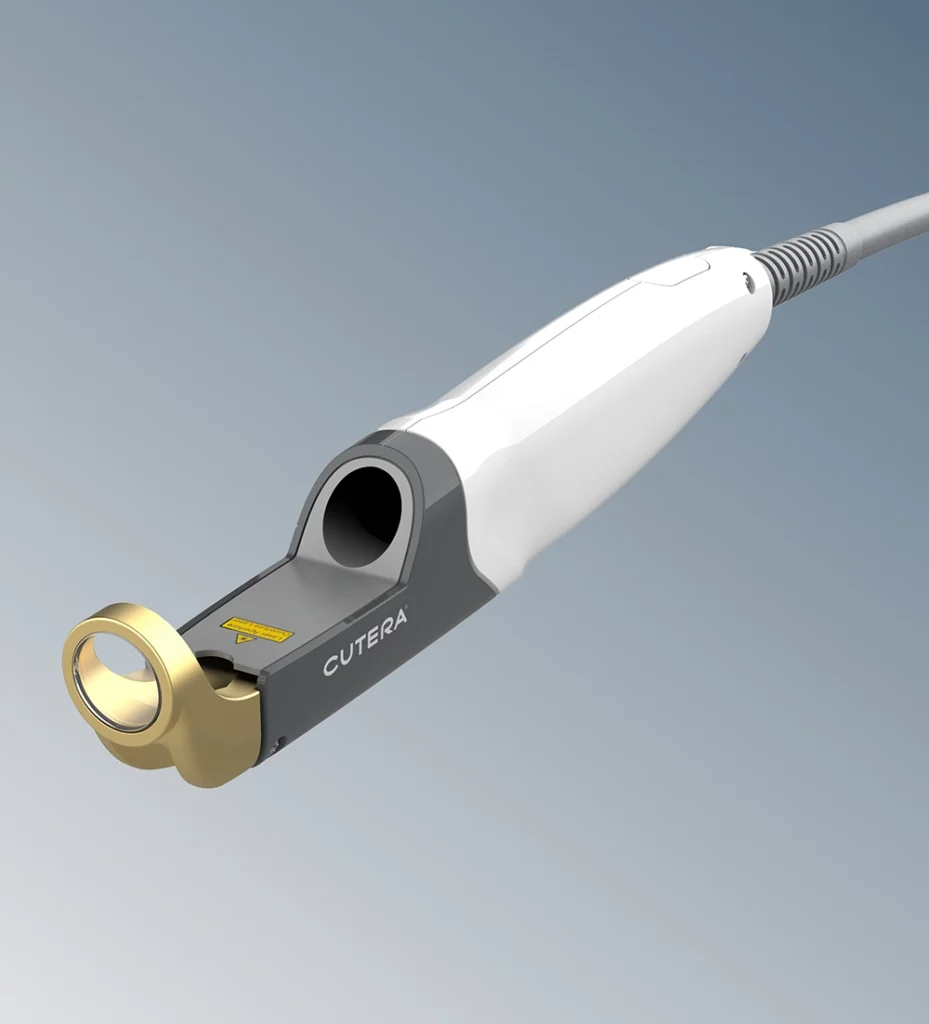
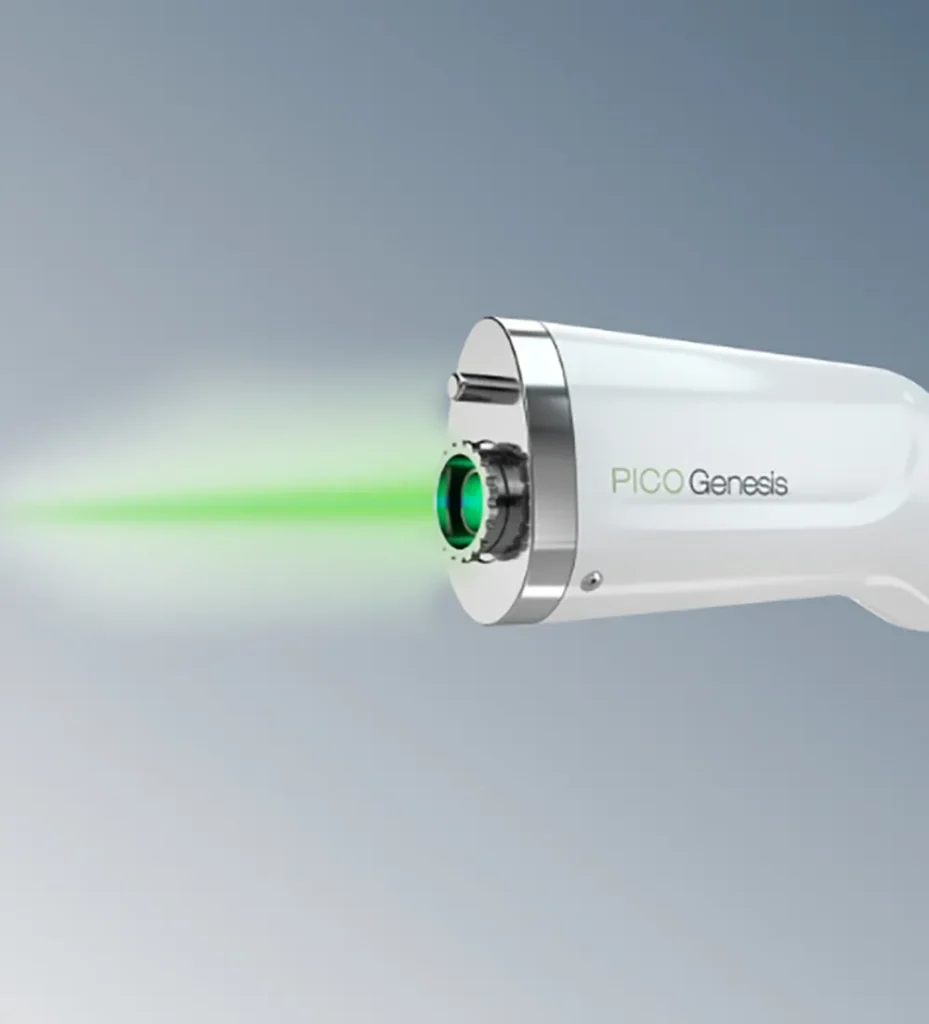






Innovation is easy to claim. Firsts are harder.
For over 25 years, clinicians have trusted Cutera to move skin treatment forward.
Vascular. Pigment. Texture. Acne. Two decades solving the conditions clinicians treat every day, with a portfolio designed to work across indications, not around them.
But the technology is only half the story. Behind every platform sits a team in clinical, sales, marketing and service, invested in your outcomes and the growth of your practice.

First contact-cooled Nd:YAG for permanent hair reduction

First RF device cleared for fat reduction
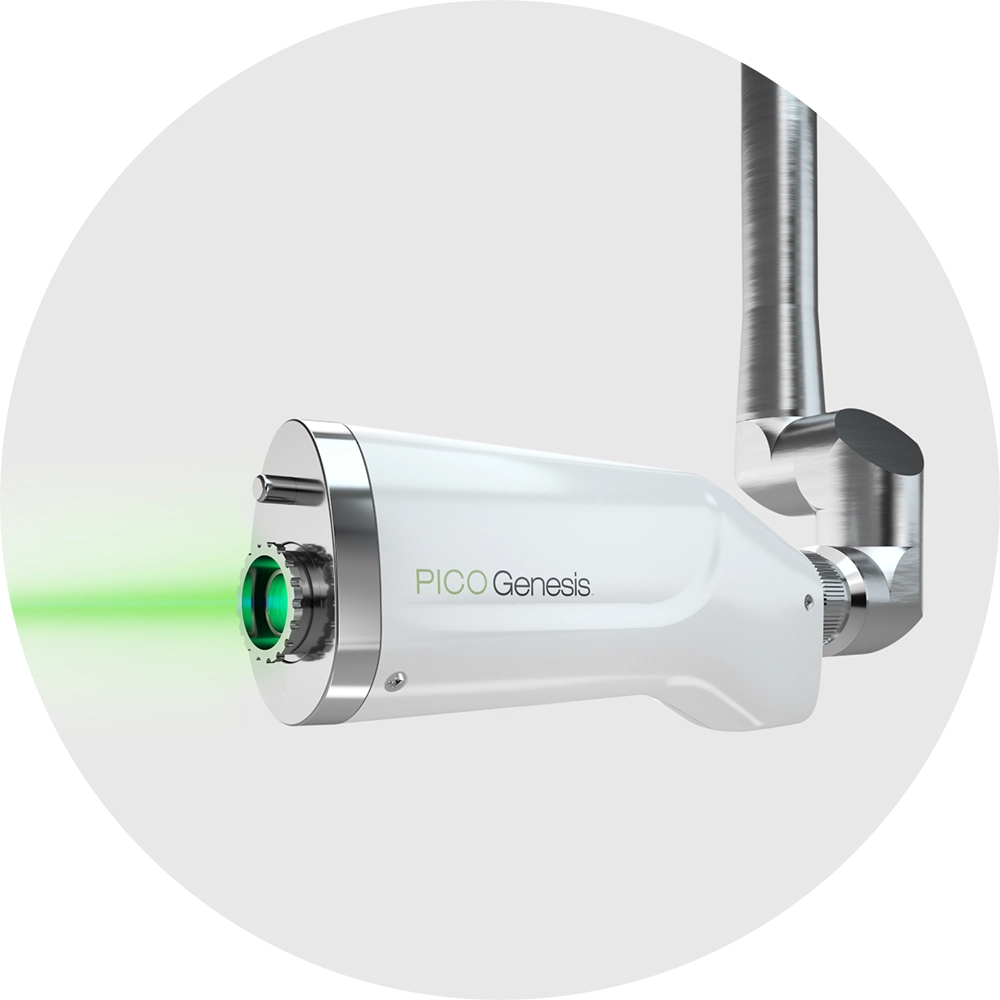
First multi-wavelength pico and nano platform
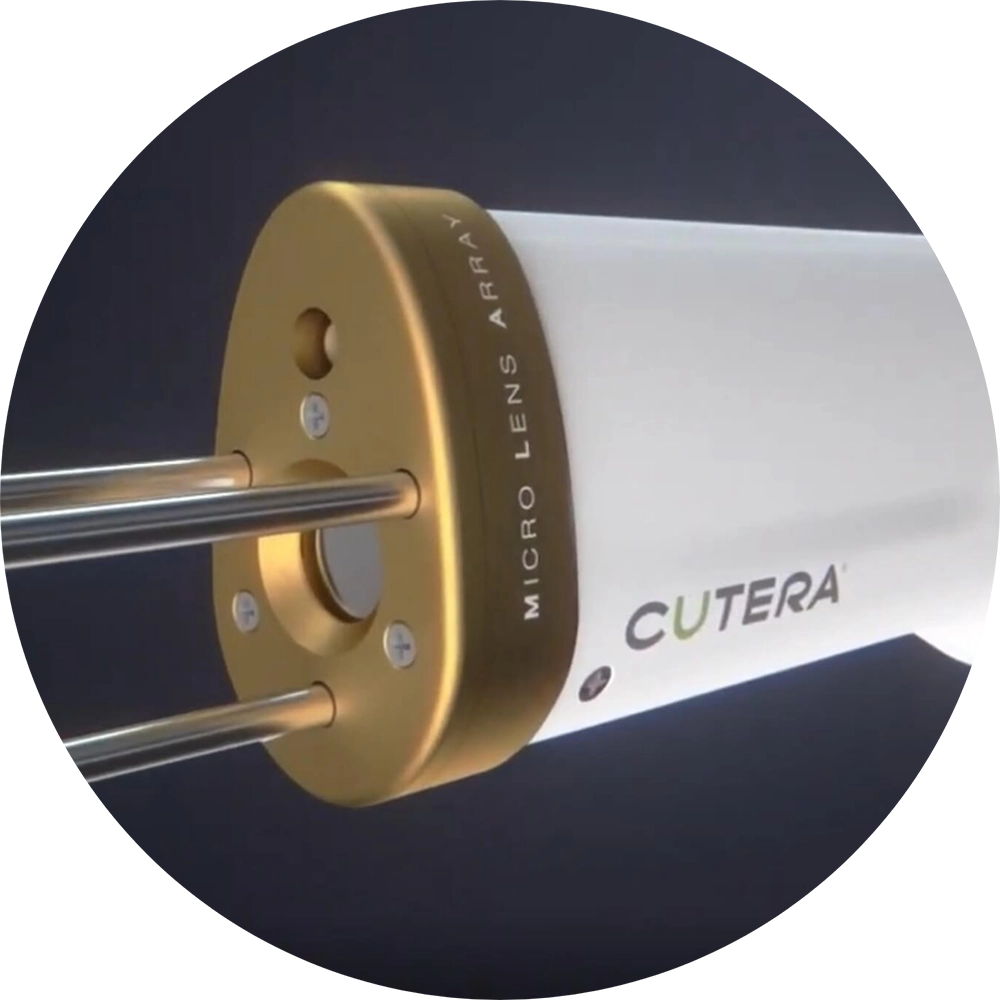
First three-wavelength, dual-pulse picosecond platform
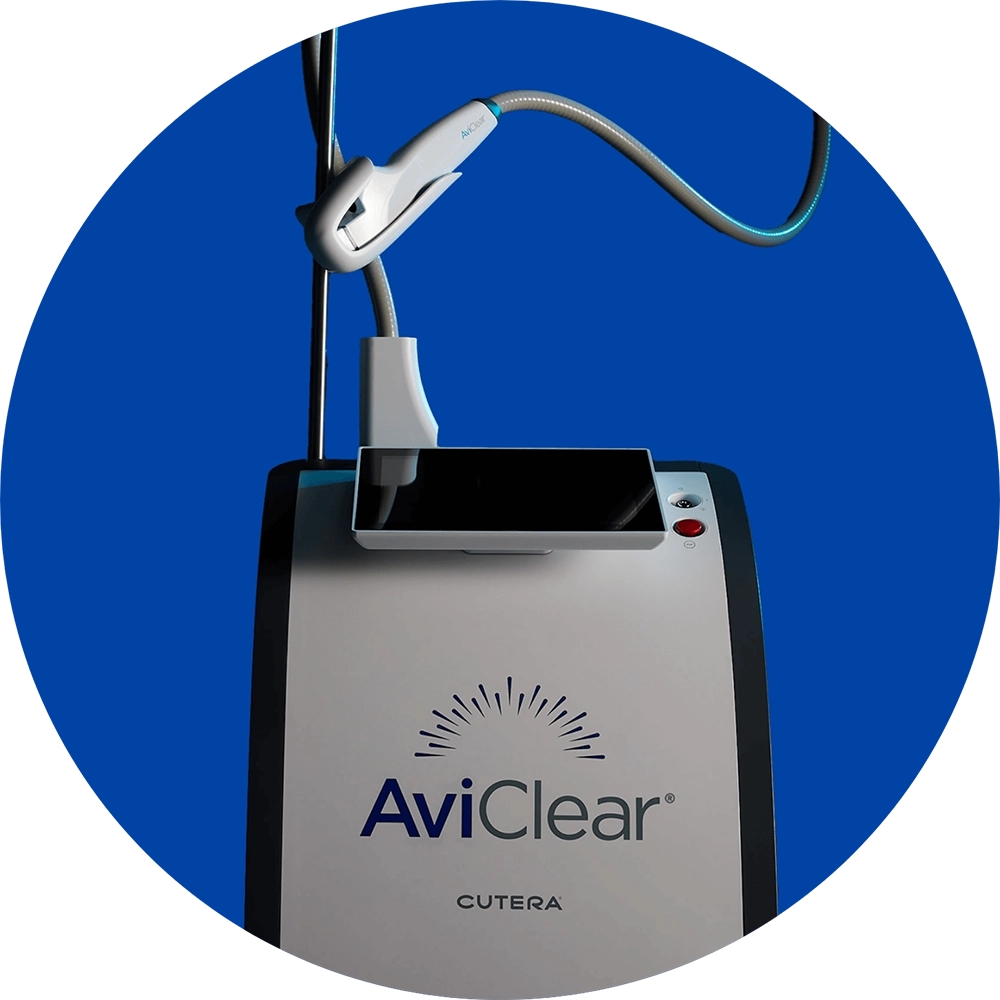
First laser cleared for the long-term treatment of acne

Aesthetic Doctor
"With xeo+, I can address the surface and work deeper in the same appointment, which has made a real difference to how quickly patients see change."

Consultant ENT & Facial Plastic Surgeon
"Facial plastic surgery has taught me that precision is everything. That is exactly what I get from Cutera."

Aesthetic Doctor
"Limelight IPL a trusted tool for treating pigmentation and sun damage — and when paired with Laser Genesis, the results are exceptional."

Consultant Dermatologist
"Cutera’s platforms allow me and my team to confidently treat a wide range of patient concerns with reliable outcomes. Skin Solutions by Cutera have become essential in my clinics."

Founder & Medical Director
"Patients today want choice, and AviClear offers a proactive, non-invasive option with minimal downtime.”

Aesthetic Nurse Prescriber
"excel V+ is the workhorse of our clinic and an essential device for treating vascular concerns. "

Dermatologist & Venereologist

Dermatologist & Venereologist
"The excel V+ combines two wavelengths and three handpieces, including the Dermastat for exceptional precision on the finest vessels. Intuitive protocols, remarkable results."

Dermatologist and Laser Specialist

Dermatologist, Langenhagen
"The excel V+ delivers outstanding results for rosacea, facial redness and visible vessels, with excellent tolerability and quick return to daily life."
Clinicians on what the Cutera portfolio has delivered for their patients and their practice.
A Cutera gold-standard for every indication you treat. Speak with our team and we will match the right platform to the conditions you see most.
Indications for Use: AviClear is indicated for the treatment of mild to severe acne vulgaris and for the treatment of acne scars.
Contraindications: Pregnant patients and patients undergoing treatment for skin cancer.
Important Safety Information: The following treatment-related side effects may occur during or after treatment with AviClear: Discomfort, erythema and edema, transient acne flareups, temporary skin dryness, blisters, crusting/Scabbing, hyperpigmentation, skin texture changes, infection, scarring, hypopigmentation and altered hair growth.
Warnings: Do not use topical anesthetic with AviClear treatments;do not treat over dysplastic nevi or questionable pigmented lesions; do not treat over or close to tattoos or permanent make-up.
Precautions: Use caution when treating patients with any of the following: current or recent use of Isotretinoin (Accutane/Roaccutane), current or recent use of anticoagulants, presence of any inflammatory skin condition other than acne in the target area, history of malignant tumors in the target area, history of coagulopathies, history of keloids or hypertrophic scarring, history of vitiligo or pigmentary disorders, history of herpes – pre-treatment with an antiviral may be indicated, open lesions or wounds – treatment should only be performed on intact skin, metal or electronic implants – reaction to treating over implants is unknown; check with implant manufacturer or physician managing the implant before treating. The AviClear Laser System has not been studied on the lips, upper and lower eyelids, and eyebrows. Refer to the Operator Manual to view the laser safety labels of the product.
Indications for use:
Contraindications: Pregnant patients, patients with cardiac pacemaker, patients with active implantable metal device in treatment area, and patients with any active condition in the treatment area, such as sores, psoriasis, eczema, and rash.
Important Safety Information: The following adverse effects can occur when treating with the Secret RF: Discomfort; Pain; Swelling; Redness; Skin color changes; Milia; Acne; Wounds; Contact/Allergic dermatitis or Skin sensitivity; Infection; Scarring; Treatment Pattern; Petechiae; Dilated pores; Allergy; Sun exposure, tanning beds, artificial tanning may increase risk of side effects and adverse events.
Warnings: The following adverse effects can occur when treating with the Secret RF System for all indications: DISCOMFORT/PAIN – Some discomfort and/ or pain may be experienced during treatment. A topical anesthetic will be applied to your skin before treatment. Other forms of anesthesia, or pain management, may also be used. SWELLING – Swelling (edema) of the treated area is common and may occur. This usually resolves in a few days. REDNESS – Redness (erythema) of the treated area is common and may occur. The erythema typically resolves in about two weeks. SKIN COLOR CHANGES – During the healing process, there is a possibility that the treated area may become either lighter (hypopigmentation) or darker (hyperpigmentation) in color compared to the surrounding skin. This is usually temporary, but, on a rare occasion, it may be permanent. You should avoid sun exposure after the treatment and use sunblock. MILIA/ACNE – Ointments that occlude hair follicles, sweat ducts, or sebaceous ducts may lead to milia/acne formation. This is more common in patients with a history of cystic acne or oily skin. WOUNDS – Treatment can result in burning, blistering, or bleeding of the treated areas. It is important that you not pick or scratch the sites as this may lead to permanent scars or promote an infection. If any of these occur, please call our office. CONTACT/ALLERGIC DERMATITIS OR SKIN SENSITIVITY – Potential increased sensitivity, irritation/itching or allergic reaction of the skin due to skin surface disruption. INFECTION – Infection is a possibility whenever the skin surface is disrupted which can lead to scarring. Proper wound care and keeping the treated area clean are important. If signs of infection develop, such as pain, heat, blisters, or surrounding redness, please call our office. SCARRING – Scarring is a rare occurrence, but it is a possibility if the skin surface is disrupted. To minimize the chances of scarring, it is IMPORTANT that you follow all post treatment instructions provided by your healthcare staff. TREATMENT PATTERN – A persistent spot size pattern may be apparent on the treated skin and usually resolves with time. In rare cases, it may be permanent. PETECHIAE – May appear for several weeks after healing and clear without treatment. DIALATED PORES – Collagen contraction that occurs as part of the resurfacing process may also contract the skin between the pores, which widens the existing pores. This occurrence, though rare, is permanent. SUN EXPOSURE / TANNING BEDS / ARTIFICIAL TANNING – May increase risk of side effects and adverse events. ALLERGY – There is a risk of an allergic reaction to the topical anesthetic or the metal needles.
Precautions: Face lift or eyelid surgery in treatment area within year prior to treatment, treatment with other RF or light device within one month in treatment area, dermabrasion, resurfacing, or deep chemical peeling in the treatment area within the last 3 months. Do not treat over tattoos or permanent makeup. History of skin disorders, keloids, abnormal wound healing, as well as very dry and fragile skin, tanned skin from sun, tanning beds or tanning creams within the last two weeks use caution.
Indications for use:
Important Safety Information: The following adverse effects can occur when treating with the Secret DUO: (i) Laser Treatment — Pigmentation change; Temporary pain; Erythema; Edema. (ii) RF Treatment — Discomfort; Pain; Swelling; Redness; Skin color changes; Milia; Acne; Wounds; Contact/Allergic dermatitis or Skin sensitivity; Infection; Scarring; Treatment Pattern; Petechiae; Dilated pores; Allergy; Sun exposure, tanning beds, artificial tanning may increase risk of side effects and adverse events.
Contraindications: Patients using a pacemaker or another implantable metal medical device; Patients with an unknown skin disease; Pregnant women; Patients who have a piercing on the treatment area; Patients with a hemostatic disorder; Patients who are receiving treatment for skin cancer or have a history of cancer; Patients who have symptoms such as sores, psoriasis, eczema, or a rash on the treatment area; Patients who are sensitive to hot sensation or who have any type of suspected lesions on the treatment area; Patients who have any immunosuppressive disease such as AIDS and HIV or any immune system disorder due to the use of immunosuppressants. Treat only known benign lesions. (Do not treat dysplastic nevus or suspected pigmented lesions) Treatment should not be performed on an area of skin with a tattoo or permanent make-up. Special caution should be exercised for the following patients during treatment. Patients who have received a Botox/collagen/fat dissolving injection or augmentation
through the injection of a substance into the treatment area in the last six months; Patients who have thin skin due to multiple laser or RF treatments; Patients with a medical history of repeated conditions on the treatment area caused by heat stimulation, such as herpes simplex: Such patients should receive prophylaxis before treatment. Patients with a skin disease, keloids, abnormal wound healing, or very dry, delicate skin; Patients who have undergone face lift surgery or eyelid surgery in the last year; Patients who have undergone facial dermabrasion, facial resurfacing, or deep chemical peeling in the last three months (if the face is to be treated); Patients who have received light, laser or RF treatment on the treatment area in the last month; Patients using nonsteroidal anti-inflammatory drugs (NSAIDS, e.g., ibuprofencontaining agents) a week prior to and after each treatment session; Patients who have undergone surgery on the treatment area in the last three months or where the surgery wound has not completely healed; Patients who have been exposed to UV rays or used a tanning bad or tanning cream in the last two weeks; Patients with a known sensitivity or allergy to metals (e.g., chromium, nickel, and other metals contained in the needle); Patients who have other health problems as determined by a physicianTreat only known benign lesions. (Do not treat dysplastic nevus or suspected pigmented lesions); Treatment should not be performed on an area of skin with a tattoo or permanent make-up. Special caution should be exercised for the following patients during treatment. Patients who have received a Botox/collagen/fat dissolving injection or augmentation through the injection of a substance into the treatment area in the last six months; Patients who have thin skin due to multiple laser or RF treatments; Patients with a medical history of repeated conditions on the treatment area caused by heat stimulation, such as herpes simplex: Such patients should receive prophylaxis before treatment. Patients with a skin disease, keloids, abnormal wound healing, or very dry, delicate skin; Patients who have undergone face lift surgery or eyelid surgery in the last year; Patients who have undergone facial dermabrasion, facial resurfacing, or deep chemical peeling in the last three months (if the face is to be treated);Patients who have received light, laser or RF treatment on the treatment area in the last month; Patients using nonsteroidal anti-inflammatory drugs (NSAIDS, e.g., ibuprofencontaining agents) a week prior to and after each treatment session; Patients who have undergone surgery on the treatment area in the last three months or where the surgery wound has not completely healed. Patients who have been exposed to UV rays or used a tanning bad or tanning cream in the last two weeks.
Warnings: Adverse effects can occur when treating with the Secret DUO System for all indications. 1) Laser treatment: Pigmentation change (Dark skin patient), Temporary pain (recommend anesthesia cream),Erythema, and Edema. 2) RF treatment: DISCOMFORT/PAIN – Some discomfort and/ or pain may be experienced during treatment. A topical anesthetic will be applied to your skin before treatment. Other forms of anesthesia,
or pain management, may also be used. SWELLING – Swelling (edema) of the treated area is common and may occur. This usually resolves in a few days. REDNESS – Redness (erythema) of the treated area is common and may occur. The erythema typically resolves in about two weeks. SKIN COLOR CHANGES – During the healing process, there is a possibility that the treated area may become either lighter (hypopigmentation) or darker (hyperpigmentation) in color compared to the surrounding skin. This is usually temporary, but, on a rare occasion, it may be permanent. You should avoid sun exposure after the treatment and use sunblock. MILIA/ACNE – Ointments that occlude hair follicles, sweat ducts, or sebaceous ducts may lead to milia/acne formation. This is more common in patients with a history of cystic acne or oily skin. WOUNDS – Treatment can result in burning, blistering, or bleeding of the treated areas. It is important that you not pick or scratch the sites as this may lead to permanent scars or promote an infection. If any of these occur, please call our office. CONTACT/ALLERGIC DERMATITIS OR SKIN SENSITIVITY – Potential increased sensitivity, irritation/itching or allergic reaction of the skin due to skin surface disruption. INFECTION – Infection is a possibility whenever the skin surface is disrupted which can lead to scarring. Proper wound care and keeping the treated area clean are important. If signs of infection develop, such as pain, heat, blisters, or surrounding redness, please call our office. SCARRING – Scarring is a rare occurrence, but it is a possibility if the skin surface is disrupted. To minimize the chances of scarring, it is IMPORTANT that you follow all post-treatment instructions provided by your healthcare staff. TREATMENT PATTERN – A persistent spot size pattern may be apparent on the treated skin and usually resolves with time. In rare cases, it may be permanent. PETECHIAE – May appear for several weeks after healing and clear without treatment. DIALATED PORES – Collagen contraction that occurs as part of the resurfacing process may also contract the skin between the pores, which widens the existing pores. This occurrence, though rare, is permanent. SUN EXPOSURE / TANNING BEDS / ARTIFICIAL TANNING – May increase risk of side effects and adverse events. ALLERGY – There is a risk of an allergic reaction to the topical anesthetic or the metal needles.
Precautions: Before treatment, make sure to check the patient’s skin condition and disinfect the area to be treated. Precautions: Before treatment, make sure to check the patient’s skin condition and disinfect the area to be treated to remove any foreign substances. Before treatment, inform the patient of any matters they must be aware of before, during and after treatment and ensure that the patient understands the risk of an unintended adverse event. Treat only known benign lesions. (Do not treat dysplastic nevus or suspected pigmented lesions) Treatment should not be performed on an area of skin with a tattoo or permanent make-up. Special caution should be exercised for the following patients during treatment. Patients who have received a Botox/collagen/fat dissolving injection or augmentation through the injection of a substance into the treatment area in the last six months; Patients who have thin skin due to multiple laser or RF treatments; Patients with a medical history of repeated conditions on the treatment area caused by heat stimulation, such as herpes simplex: Such patients should receive prophylaxis before treatment; Patients with a skin disease, keloids, abnormal wound healing, or very dry, delicate skin; Patients who have undergone face lift surgery or eyelid surgery in the last year; Patients who have undergone facial dermabrasion, facial resurfacing, or deep chemical peeling in the last three months (if the face is to be treated); Patients who have received light, laser or RF treatment on the treatment area in the last month; Patients using nonsteroidal anti-inflammatory drugs (NSAIDS, e.g., ibuprofencontaining agents) a week prior to and after each treatment session: Patients who have undergone surgery on the treatment area in the last three months or where the surgery wound has not completely healed; Patients who have been exposed to UV rays or used a tanning bad or tanning cream in the last two weeks; Patients with a known sensitivity or allergy to metals (e.g., chromium, nickel, and other metals contained in the needle); Patients who have other health problems as determined by a physician. Refer to the Operator Manual to view the laser safety labels of the product.
Indications for Use:
Important Safety Information: The following treatment-related expected transient side effects and possible adverse events may occur during or following treatment with Secret ™ PRO: Discomfort/Pain; Redness; Swelling;Crusting/Peeling, Milia/Acne, Skin color changes, Wounds, Contact/Allergic dermatitis or skin sensitivity, Infection, Scarring, Treatment Pattern, Petechiae, Dilated Pores, Allergies, or Ectropion. Do not use Secret ™ PRO if you are pregnant, have a cardiac pacemaker, implantable metal or medical device in treatment area, or active condition in the treatment area such as sores, psorasisis, eczema, or rash. Additional contraindications can be discussed during a treatment consultation.
Contraindications: Patients using a pacemaker or another implantable metal medical device; Patients with an unknown skin disease; Pregnant women; Patients who have a piercing on the treatment area; Patients with a hemostatic disorder; Patients who are receiving treatment for skin cancer or have a history of cancer; Patients who have symptoms such as sores, psoriasis, eczema, or a rash on the treatment area; Patients who are sensitive to hot sensation or who have any type of suspected lesions on the treatment area; Patients who have any immunosuppressive disease such as AIDS and HIV or any immune system disorder due to the use of immunosuppressants.
Warnings: DISCOMFORT/PAIN – Mild discomfort and/or pain may occur during treatment. A topical anesthetic may have to be applied to the skin of the patient before treatment. Other types of anesthetics or agents may be used for pain management. SWELLING – Swelling/edema may occur on the treated area. This usually disappears within a few days. REDNESS – Redness/erythema may occur on the treated area. This usually disappears within approximately two weeks. MILIA/ACNE – Ointments that block hair follicles, sweat pores, and sebaceous ducts may cause milia or acne formation. Such symptoms occur more frequently in patients with a history of cystic acne or oily skin. SKIN COLOR CHANGES – The treated area may become brighter (hypopigmentation) or darker (hyperpigmentation) than the surrounding skin areas during the healing
process. A color change is usually a temporary symptom, but can be permanent in rare cases. Patients should avoid exposing their skin to UV rays as much as possible and
apply sunblock after treatment. WOUNDS – Burning, blistering, or bleeding may occur in the treated area. Since these symptoms may lead to permanent scarring or infection, the patient should avoid picking at or scratching the treated area. CONTACT/ALLERGIC DERMATITIS OR SKIN SENSITIVITY – The damaged skin surface may increase the risk of skin sensitivity, skin irritation/itching, or allergic skin reactions. INFECTION – The damaged skin surface may induce an infection, leaving a scar. Wounds should be properly managed and the treated area should be kept clean. SCARRING – Scarring may occur in rare cases when the skin surface is damaged. TREATMENT PATTERN – A spot size pattern may be left on the treated area. This usually disappears over time but may remain permanently in rare cases. PETECHIAE – Petechiae may be seen for a few weeks after healing, and disappears over time without separate treatment. DILATED PORES – The collagen contraction which occurs as part of the skin resurfacing process may lead the skin to contract between pores, dilating existing pores. This symptom may be permanent in rare cases. SUN EXPOSURE / TANNING BEDS / ARTIFICIAL TANNING – Exposure to the sun, tanning beds, and artificial tanning may increase the risk of side effects and adverse events. ALLERGY – There may be an allergic reaction to topical anesthetics or metal needles. ECTROPION – Ectropion may occur very rarely in patients receiving treatment around the eyelids.
Precautions: Before treatment, make sure to check the patient’s skin condition and disinfect the area to be treated to remove any foreign substances. Before treatment, inform the patient of any matters they must be aware of before, during and after treatment and ensure that the patient understands the risk of an unintended adverse event. Treat only known benign lesions. (Do not treat dysplastic nevus or suspected pigmented lesions). Treatment should not be performed on an area of skin with a tattoo or permanent make-up. Special caution should be exercised for the following patients during treatment. Patients who have received a Botox/collagen/fat dissolving injection or augmentation through the injection of a substance into the treatment area in the last six months. Refer to the Operator Manual to view the laser safety labels of the product.
INDICATIONS FOR USE: The excel V+ 532 nm is indicated for: treatment of benign vascular lesions; treatment of benign pigmented lesions; treatment of benign cutaneous lesions.
The excel V+ 1064 nm is indicated for: treatment of unwanted hair; long term or permanent hair reduction; treatment of pseudofolliculitis barbae (PFB); treatment of benign vascular lesions; treatment of benign cutaneous lesions; treatment of wrinkles.
Contraindications: Pregnant patients; patients undergoing treatment for skin cancer.
Important Safety Information: The following treatment-related expected transient side effects and possible adverse events may occur during or following treatment with excel V+: Erythema, edema and purpura may occur following treatment and typically resolve with time. Hyperpigmentation, hypopigmentation, burns, erosion, epidermal crusting, or blistering may occur, some of which may result in scarring. Deep tissue injury and prolonged wound healing may occur when treating warts; Temporary or permanent gray hair (leukotrichia) may develop; Stimulation of terminal hair growth may occur within or adjacent to treated area; Undesired hair loss in hair-bearing areas may result from treatment of vascular lesions; Sun exposure, tanning beds, and artificial tanning may increase the risk of side effects and adverse events. Red rash/bumps; Hemosiderin staining; Textural changes/cutaneous indentations.
Contraindications: Pregnant patients; patients undergoing treatment for skin cancer.
Warnings: Do not treat over dysplastic nevi or questionable pigmented lesions. Do not treat over or close to tattoos or permanent make-up. Hair removal by lasers can cause increased hair growth in some individuals. Based upon currently available data, the highest risk groups for this response are females of Mediterranean, Middle Eastern, and South Asian heritage treated on the face and neck.
Preautions: Photosensitizing drugs (Tetracyclines, etc.); Anticoagulants – may increase risk of purpura or bruising; History of coagulopathies; History of keloids or hypertrophic scarring; Diabetes – may impede wound healing; History of herpes – pre-treatment with an antiviral may be indicated; Isotretinoin (Accutane) use within the previous 6 months; History of vitiligo. Refer to the Operator Manual to view the laser safety labels of the product.
Indications for Use: The xeo+ 1064 nm is indicated for: removal of unwanted hair; stable long-term, or permanent hair reduction through selective targeting of melanin in hair follicles; treatment of pseudofolliculitis barbae (PFB); treatment of benign vascular lesions such as, but not limited to, hemangiomas, port wine stains, telangiectasias, rosacea, venous lakes, leg veins, spider veins and poikiloderma of Civatte; treatment of wrinkles such as, but not limited to, periocular and perioral wrinkles; reduction of red pigmentation in hypertrophic scars where vascularity is an integral part of the scar; treatment of warts; treatment of mild to moderate inflammatory acne vulgaris.
Contraindications:pregnant patients; patients undergoing treatment for skin cancer.
Important Safety Information: Expected Transient Events and Possible Adverse Effects: DISCOMFORT/PAIN – Some discomfort may be experienced during treatment. Pain may include the feeling of burning, stinging, and radiating pain. REDNESS/SWELLING – Short term redness (erythema) is common, and swelling (edema) of the treated area may occur. An urticarial (hive-like) reaction may occur with smaller vessels. PURPURA/BRUISING – Purpura (bruising) is a transient phenomenon that usually resolves with time. ITCHING/DRY SKIN – Treatment may result in itching and/or dry skin. RED RASH/BUMPS – Red rash/bumps may appear after treatment. This resolves with time. HEMOSIDERIN STAINING – Hemosiderin staining (iron leaking into tissue from blood breakdown) may occur and usually resolves over time; however, it may be permanent. HYPOPIGMENTATION/ HYPERPIGMENTATION – During the healing process, there is a slight possibility that the treated area may become either lighter (hypopigmentation) or darker (hyperpigmentation) in color compared to the surrounding skin. This is usually temporary, but, on a rare occasion, it may be permanent. EPIDERMAL CRUSTING – Pigmented lesions may crust as part of the healing process. Epidermal crusting may develop over vascular lesions. It is important not to disturb the crusts. Crusts will typically slough 7 to 14 days after treatment but may require medication if sensitivity or redness occurs. WOUNDS – Treatment can result in burning, blistering, or bleeding of the treated areas. When treating warts, deep tissue injury and prolonged wound healing may also occur. INFECTION – Infection is a rare possibility whenever the skin surface is disrupted, though proper wound care should prevent this. If signs of infection develop, such as pain, heat or surrounding redness, the patient should be advised to contact their treatment provider. SCARRING – Scarring is a rare occurrence, but it is a possibility if the skin’s surface is disrupted. To minimize the chances of scarring, it is important to advise patients to follow all post-treatment instructions.TEXTURAL CHANGES/CUTANEOUS INDENTATIONS – Textural changes and/or cutaneous indentations may occur as a result of heat diffusion and thermal injury to tissue surrounding vessels. UNDESIRABLE HAIR REDUCTION – Hair reduction may occur at treatment sites not intended for hair reduction, such as during vascular or laser genesis treatments. This is usually temporary but may be permanent. PARADOXICAL HAIR GROWTH – Stimulation of terminal hair growth following photo- epilation may occur within or adjacent to the treated area. LEUKOTRICHIA – Temporary or permanent leukotrichia (localized white or gray hair) may occur.
Warnings: Do not treat over dysplastic nevi or questionable pigmented lesions. Do not treat over open wounds. Do not treat over or close to tattoos or permanent make-up. Do not treat over or close to metal or electronic implants. Hair removal by lasers or intense pulse light sources can cause increased hair growth in some individuals. Based upon currently available data, the highest risk groups for this response are females of Mediterranean, Middle Eastern, and South Asian heritage treated on the face and neck.
Precautions: Use caution when treating patients with any of the following: History of coagulopathies
;History of keloids or hypertrophic scarring; History of herpes – pre-treatment with an antiviral may be indicated History of vitiligo – may cause de-pigmentation; Diabetes – may impede wound healing Metal or electronic implants; Current or recent use of the following medications: Accutane – do not treat if taken in the past 6 months; Gold Therapy – may cause blue-gray discoloration; Anticoagulants – may increase risk of purpura or bruising; Photosensitizing medications/agents. In addition, observe the following precautions: Use caution when treating over hair bearing areas. Laser energy may affect hair growth.Place moist gauze between the lips and teeth if treating near the mouth. Laser energy may affect teeth. Treat at least at least 15 cm (6 in) from pacemakers/defibrillators. Reaction to metal or electronic implants is unknown. Refer to the Operator Manual to view the laser safety labels of the product.
Indications for Use: The enlighten III 1064 nm is indciated for: treatment of benign pigmented lesions; tattoo removal for dark colored tattoo inks and for multicolored tattoos containing dark colored tattoo inks. The enlighten III 670 nm is indciated for: treatment of benign pigmented lesions; tattoo removal for lighter colored tattoo inks, including green, blue, and purple inks. The enlighten III 532 nm is indciated for: treatment of benign pigmented lesions; tattoo removal for lighter colored tattoo inks, including red and yellow inks.
Contraindications: Pregnant patients; Patients undergoing treatment for skin cancer; Dysplastic nevi; Accutane if taken in the prior 6 months; Gold Therapy; Photosensitizing drugs (Tetracycline, etc); Bleeding disorders or history of coagulopathies; Wound infections; Open lesions.
Important Safety Information: Expected Transient Events and Possible Adverse Effects
The procedure may result in the following adverse experiences or risks. This list may not include all possible risks. Discomfort. Mild discomfort is typical during the treatment of benign pigmented lesions. For tattoo removal treatments, where higher settings are typically used, moderate to significant discomfort is frequently reported. Most patients describe the discomfort as less than when the tattoo was applied. Some areas are more sensitive than others. Topical and local anesthetic options may be available if required. Immediate ashy change in benign pigmented lesions. Epidermal benign pigmented lesions will frost during treatment and then develop a thin gray crust, which sloughs 5-21 days after treatment. When the crust sloughs, the skin in the place of the treated lesions may appear lighter than the surrounding untreated skin. Hyperpigmentation. Brown darkening of the skin can occur as a result of the laser light or of the inflammation during healing. It may not appear immediately and may be seen a few weeks after treatment. Therefore, it is advisable to space treatments by several weeks. Hyperpigmentation is more likely to develop in darker or tanned skin, and it may be visible longer in darker skin or with sun exposure. Although it may last for some months, hyperpigmentation is often not permanent; this differs from hypopigmentation (loss of pigment), which in some cases can be permanent.Hypopigmentation. Lightening of the skin in the place of the treated lesion and around it is an anticipated adverse event in laser treatment of pigmented lesions. In clinical studies in which benign pigmented lesions were treated, hypopigmentation was observed in approximately 30% of subjects at 6 weeks and in some cases was observed at 12 week follow-up. Longer follow-up data is not available for resolution of hypopigmentation in these subjects. Petechiae and purpura. Pinpoint bleeding may occur at the treatment site and should resolve within 1-2 hours. The pinpoint blood should slough with the thin crusts above. Mild bruising may be evident in the skin surrounding the treated lesion in some cases. Blisters, oozing lasting more than one day, or bleeding lasting more than a few hours should be evaluated by the treating physician.Edema and erythema. Swelling (edema) and redness (erythema) often occur and may last a few days. Application of cold packs immediately after treatment may reduce these. Swelling that develops after a few days, especially if accompanied by new warmth or redness, should be evaluated. Allergic reaction. Patients who have had a prior allergic reaction to ink during tattoo application may have a similar reaction after laser treatment. Bullae/scabs/crusting. These may occur following tattoo treatment and usually take 4-10 days to heal. Texture changes. Transient texture changes are often noted but usually resolve with time. Infection. Despite good wound care, pain, swelling, oozing, and fever can indicate the development of an infection. Topical and/or oral antibiotics may be necessary. Scarring. Scarring is a rare occurrence, but it is a possibility if the skin’s surface is disrupted. To minimize the chances of scarring, it is important that patients follow all post-treatment instructions provided by their healthcare provider. Good post-treatment care can help reduce the possibility of scarring. Persistence of pigmented lesion. Multiple treatments are common, and complete clearing is not always possible. Incomplete tattoo removal. Multiple treatments are required, and complete clearing is not always possible. Not all ink colors and compositions will respond to tattoo removal treatment. Paradoxical darkening or color change. Some tattoo inks, including many lighter and skin- tone inks, may darken or change color in response to treatment. “Bleeding” of ink into surrounding skin. May result in smudging or loss of definition of a tattoo rather than removal.
Warnings: Do not treat or treat over dysplastic nevi or questionable pigmented lesions. Only benign pigmented lesions are treatable. Accurate pre-operative diagnosis is very important to prevent treatments on malignant lesions.
Precautions: Current medications (both routine and occasional use); Accutane – do not treat if taken in the last 6 months; Gold Therapy – may cause blue-gray discoloration; Photosensitizing drugs (Tetracycline, etc) – perform test spots and adjust parameters accordingly; Anticoagulants – may increase risk of purpura or bruising; Bleeding disorders; Vitiligo or history of pigmentary disorders, particularly tendency for hyper- or hypopigmentation; Herpes – heat from the treatment could induce a flare-up; pretreatment with an antiviral may be indicated; Wound infections; Open lesions – treatments should only be performed on intact, healthy skin; History of coagulopathies; History of keloid or hypertrophic scarring; Diabetes – may impede wound healing; History of seizure disorders due to light. Refer to the Operator Manual to view the laser safety labels of the product.
Indications for Use: xeo+ 1064 nm Nd:YAG is indicated for: removal of unwanted hair; stable long-term, or permanent hair reduction through selective targeting of melanin in hair follicles; treatment of pseudofolliculitis barbae (PFB); coagulation and hemostasis of benign vascular lesions such as, but not limited to, hemangiomas, port wine stains, telangiectasias, rosacea, venous lakes, leg veins, spider veins and poikiloderma of Civatte; treatment of wrinkles such as, but not limited to, periocular and perioral wrinkles; reduction of red pigmentation in hypertrophic scars where vascularity is an integral part of the scar; treatment of warts; treatment of mild to moderate inflammatory acne vulgaris.
Contraindications: Pregnant patients; patients undergoing treatment for skin cancer.
Important Safety Information: Expected Transient Events and Possible Adverse Effects: DISCOMFORT/PAIN – Some discomfort may be experienced during treatment. Pain may include the feeling of burning, stinging, and radiating pain. REDNESS/SWELLING – Short term redness (erythema) is common, and swelling (edema) of the treated area may occur. An urticarial (hive-like) reaction may occur with smaller vessels. PURPURA/BRUISING – Purpura (bruising) is a transient phenomenon that usually resolves with time. ITCHING/DRY SKIN – Treatment may result in itching and/or dry skin. RED RASH/BUMPS – Red rash/bumps may appear after treatment. This resolves with time. HEMOSIDERIN STAINING – Hemosiderin staining (iron leaking into tissue from blood breakdown) may occur and usually resolves over time; however, it may be permanent. HYPOPIGMENTATION/ HYPERPIGMENTATION – During the healing process, there is a slight possibility that the treated area may become either lighter (hypopigmentation) or darker (hyperpigmentation) in color compared to the surrounding skin. This is usually temporary, but, on a rare occasion, it may be permanent.
Warnings: Do not treat over dysplastic nevi or questionable pigmented lesions. Do not treat over open wounds. Do not treat over or close to tattoos or permanent make-up. Do not treat over or close to metal or electronic implants. Hair removal by lasers or intense pulse light sources can cause increased hair growth in some individuals. Based upon currently available data, the highest risk groups for this response are females of Mediterranean, Middle Eastern, and South Asian heritage treated on the face and neck.
Precautions: Use caution when treating patients with any of the following: History of coagulopathies; History of keloids or hypertrophic scarring; History of herpes – pre-treatment with an antiviral may be indicated History of vitiligo – may cause de-pigmentation; Diabetes – may impede wound healing Metal or electronic implants; Current or recent use of the following medications: Accutane – do not treat if taken in the past 6 months; Gold Therapy – may cause blue-gray discoloration; Anticoagulants – may increase risk of purpura or bruising; Photosensitizing medications/agents. In addition, observe the following precautions: Use caution when treating over hair bearing areas. Laser energy may affect hair growth. Place moist gauze between the lips and teeth if treating near the mouth. Laser energy may affect teeth. Treat at least at least 15 cm (6 in) from pacemakers/defibrillators. Reaction to metal or electronic implants is unknown. Refer to the Operator Manual to view the laser safety labels of the product.